

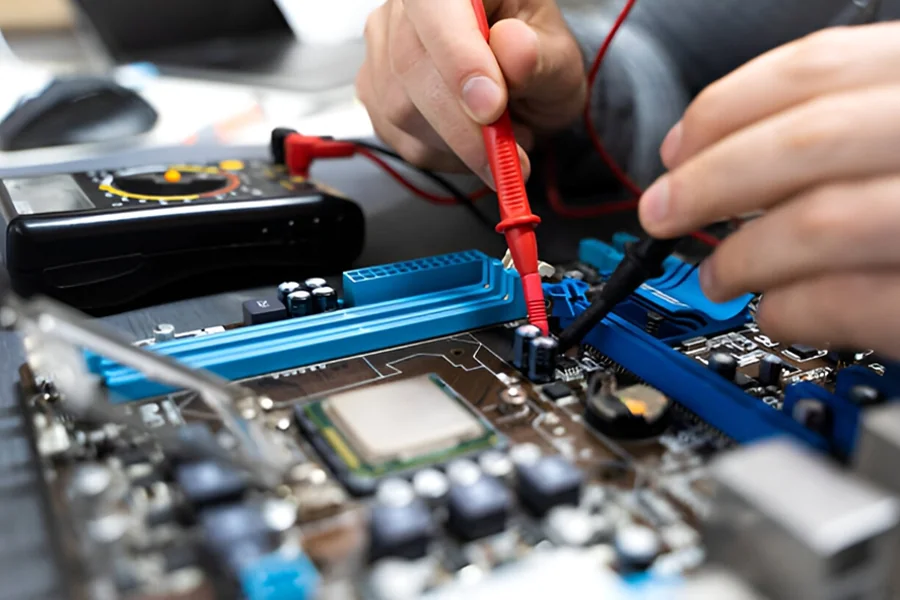
Turnkey PCB assembly is a comprehensive electronics manufacturing solution where a single provider manages the entire process — from component sourcing and PCB fabrication to assembly, testing, and final delivery. This model eliminates the complexity of coordinating multiple vendors, reduces lead time, and ensures a smoother, more reliable production flow.
In the fast-paced electronics industry, turnkey PCB assembly has become the preferred choice for startups, OEMs, and established manufacturers alike. By entrusting the full process to one expert team, companies can focus on product design, innovation, and marketing while leaving the technical aspects of production in professional hands.
The Process of Turnkey PCB Assembly
Turnkey PCB assembly involves several tightly integrated stages designed to provide a seamless manufacturing experience.
-
Design File Review and Quotation
The process begins with the submission of Gerber files, BOM (Bill of Materials), and assembly drawings. The manufacturer reviews these documents to ensure manufacturability and provides an accurate quotation. At this stage, any design feedback or potential issues are addressed to prevent costly revisions later.
-
Component Procurement and PCB Fabrication
Once the order is confirmed, the manufacturer procures components directly from authorized distributors or trusted suppliers. Simultaneously, PCB fabrication begins according to the project’s specifications — including material type, copper thickness, and layer count. With turnkey assembly, buyers don’t need to manage sourcing or inventory; everything is handled under one roof.
-
Surface Mount and Through-Hole Assembly
After components and boards are ready, assembly begins. For SMT (Surface Mount Technology), automated pick-and-place machines position components on the board with high precision, followed by reflow soldering. Through-hole components, if any, are assembled using wave or selective soldering methods.
-
Inspection and Testing
Quality control is an essential part of turnkey PCB assembly. Every assembled board undergoes rigorous inspections, including Automated Optical Inspection (AOI), X-ray testing for BGA packages, and In-Circuit or Functional Testing. This ensures each product meets performance and reliability standards before shipment.
-
Final Assembly and Delivery
Once testing is complete, the boards are cleaned, packed, and shipped according to customer requirements. Some manufacturers even provide box build assembly, conformal coating, or cable integration to deliver fully functional finished products.
Benefits of Turnkey PCB Assembly
Turnkey PCB assembly provides a host of advantages that make it an ideal choice for businesses looking for efficiency, reliability, and scalability.
- Time Savings: With a single vendor managing every step, production cycles are shorter, and communication delays are minimized. This streamlined approach significantly accelerates time-to-market.
- Cost Efficiency: Bulk component sourcing and integrated logistics allow turnkey manufacturers to offer competitive pricing. By reducing overhead and minimizing shipping and handling costs between vendors, overall project costs drop.
- Quality Assurance: Because the entire process is handled by one team, quality control remains consistent throughout fabrication and assembly. This reduces the likelihood of errors caused by miscommunication or mismatched components.
- Simplified Project Management: Turnkey assembly consolidates multiple tasks into one process, reducing the burden on engineers and procurement teams. This makes it easier to track progress and manage production schedules.
- Scalability: Whether it’s a prototype, low-volume batch, or large-scale production run, turnkey PCB assembly adapts to the customer’s needs while maintaining consistent quality.
Applications of Turnkey PCB Assembly
Turnkey PCB assembly serves a wide range of industries, including medical electronics, automotive systems, telecommunications, aerospace, and industrial automation. It’s especially beneficial for companies developing new products or entering new markets, as it reduces risk and ensures that projects are completed on time and within budget.
Startups, for instance, can benefit greatly from turnkey services since they often lack in-house production capabilities. Likewise, established manufacturers use turnkey assembly to streamline operations and maintain focus on innovation rather than logistics.
Why Turnkey PCB Assembly is the Future of Electronics Manufacturing
As technology advances and products become more complex, turnkey PCB assembly offers the perfect balance between speed, precision, and convenience. The integration of advanced automation, AI-driven inspection, and global supply chain optimization makes turnkey assembly not just a cost-saving choice, but a strategic advantage.
This all-in-one solution ensures design integrity, component traceability, and efficient scaling for production demands. It also reduces the chances of miscommunication or mismatched specifications that can occur when using multiple vendors.
Final Thoughts: Partner with a Trusted PCB Assembly Company
For businesses looking to streamline their manufacturing process and achieve consistent quality from design to delivery, partnering with an experienced PCB assembly company is the smartest move. A reliable provider can handle every aspect of turnkey PCB assembly — from procurement to final testing — with precision and transparency. By choosing the right partner, you not only save time and cost but also ensure that your products meet the highest standards of performance and reliability.
