

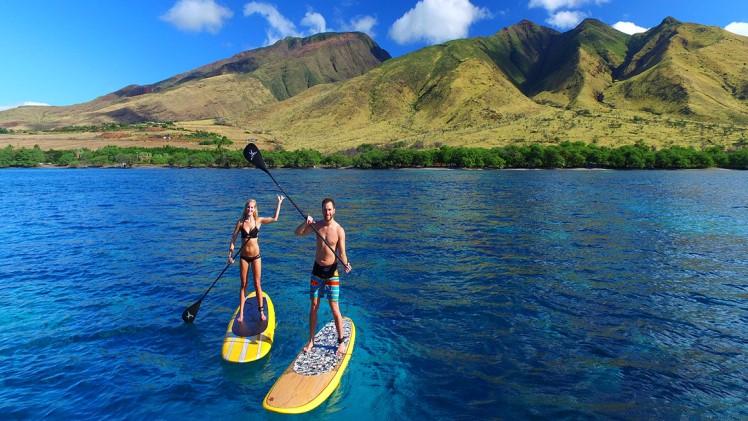
For water-based adventure tourism and recreation, there are broad divisions into motorised cf non-motorised, freshwater cf marine, and above-water cf below-water activities, each with its own environmental impacts and management approaches.
Where motorised ships and boats are used in commercial adventure tourism, environmental impacts depend on: the size and speed of the vessel; the size and type of the engine and propulsion systems; hull draught; surface coatings, particularly antifouling substances; techniques for treating and discharging sewage or blackwater, graywater, food scraps, and other rubbish; and for larger vessels, systems for fuel bunkering and refuelling, and systems for taking on and discharging ballast, particularly water ballast.
Visit the site : Satta mataka143
Impacts may also be caused through oil spills, groundings, or collisions. Yachts and other sailboats also discharge sewage and also use antifouling paints. Marine engines consume fuel and produce both atmospheric and waterborne emissions. In particular, the engine exhaust may deposit unburnt fuel residues on the water surface, and in areas heavily used for commercial or recreational boating, this can create significant surface pollution with petroleum residues.
Oil spills associated with boat damage through groundings, collisions, etc., though less common, may be considerably more severe. Most larger vessels, which remain continuously in the water except during major maintenance, are coated with antifouling paints to reduce the build-up of marine organisms on the hull surface. Most of these coatings are based on organic compounds of copper or tin and can create a range of unintended ecological impacts on non-target marine organisms.
click here for more information mis webmail
Shallowwater sessile organisms, i.e. those which are fixed to the substrate and cannot swim away, are most severely affected. For example, there is a considerable literature on the effects of tributyl tin compounds, a common component in antifoulings, on various marine molluscs. As a result, antifoulings based on tributyl tin have been banned in some jurisdictions, and a range of alternative antifouling compounds has been developed.
Visit the site : Tamilmv
